Sensitivity tables are not Excel decorations. They are decision tools. Built correctly, they show where value truly comes from. Built poorly, they create false confidence and break under review. This tutorial explains how to design sensitivity tables that are structurally sound, economically meaningful, and defensible. This is not about formatting.It …
General
Transaction expenses rarely break a deal on paper — but they regularly break financial models. Incorrect fee treatment distorts equity value, misstates cash needs, and triggers credibility issues during investment committee or lender review. This checklist shows how to model transaction expenses correctly, cleanly, and defensibly. This is not about …
Terminal value is often treated as a mechanical output of a formula. In reality, it is the single most assumption-sensitive component of a valuation model. Most errors do not come from incorrect math, but from structural misunderstandings about growth, reinvestment, and capital intensity. This article explains the most common terminal …
Joint venture and minority investment models fail for one simple reason: they are often built like reduced acquisition models. In reality, they are contractual systems where value creation, cash-flow access, and control are governed by legal mechanisms rather than ownership percentages. A professional model must therefore translate legal structures into …
Scenario analysis and sensitivity analysis are often used interchangeably—yet they answer fundamentally different questions. Confusing the two leads to weak risk assessment and misleading conclusions. This comparison explains how each method works, when to use it, and how professionals apply both in bank-grade financial models. Why This Distinction Actually Matters …
Inflation is one of the most misunderstood inputs in long-term financial models. Many valuations fail not because inflation is ignored, but because it is applied inconsistently. This guide explains how to model inflation correctly in long-term cash flows—cleanly, auditable, and aligned with professional valuation standards. Why Inflation Is the Silent …
Purchase Price Allocation (PPA) modeling is not an accounting formality—it is a valuation exercise with direct consequences for earnings quality, deal credibility, and post-merger decision-making. A robust PPA model translates transaction economics into balance-sheet reality. A weak one distorts amortization, misstates goodwill, and fails under audit pressure. Why PPA Modeling …
Choosing the wrong spreadsheet tool does not just slow you down — it directly affects model robustness, auditability, and decision quality. While both Excel and Google Sheets can handle basic calculations, only one consistently meets the standards required for professional financial modeling in valuation, M&A, and strategic finance. The Real …
Unitranche financing has moved from a niche product to a mainstream acquisition tool. Yet many deal teams still compare it to traditional senior/mezzanine stacks on headline pricing alone. This guide breaks down how both structures actually work, how they differ in risk, flexibility, and modeling behavior—and when one clearly dominates …
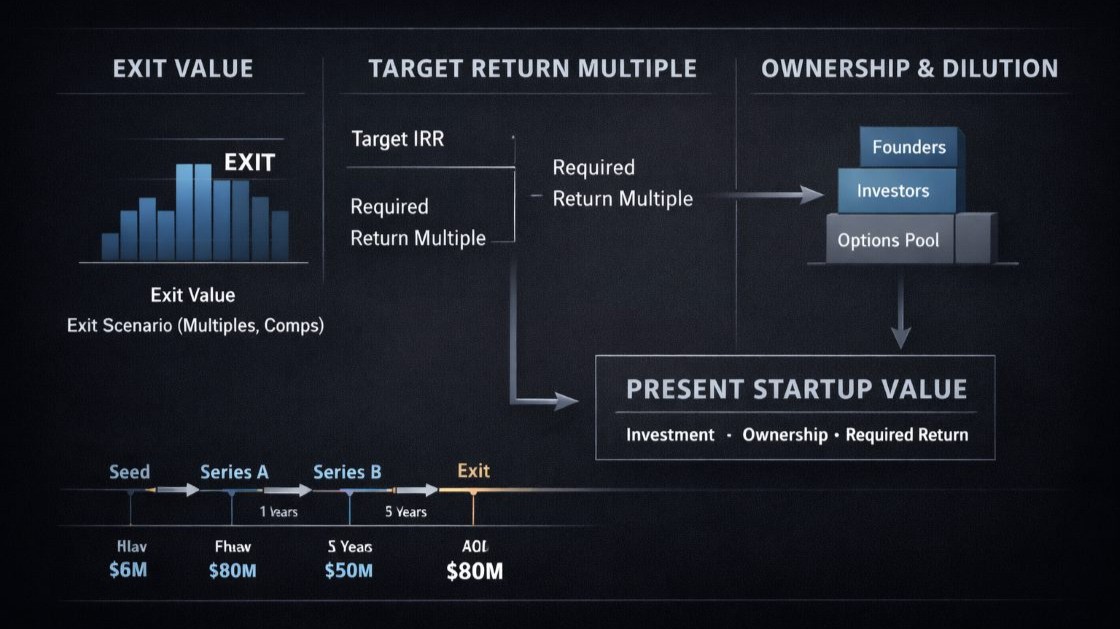
The Venture Capital (VC) Method is often described as “simple.” In practice, it is one of the most frequently misapplied valuation approaches in early-stage finance. This guide breaks down how the VC Method really works, where it adds value, and why disciplined financial modeling is the difference between a defensible …